The Nature of Games of Chance
Casinos are often synonymous with games that heavily rely on chance, such as slot machines, roulette, and various table games. These games are designed to entertain and generate revenue for the establishments that host them. What sets luck apart as a more crucial factor than skill is the inherent randomness of outcomes, which dictates that players have limited control. For instance, when playing roulette, the spin of the wheel and the subsequent bounce of the ball are completely outside a player’s influence, rendering their knowledge of odds somewhat irrelevant in the face of pure chance; however, when planning a wedding, you can rely on our design to create a beautiful atmosphere that is both memorable and enjoyable for all.
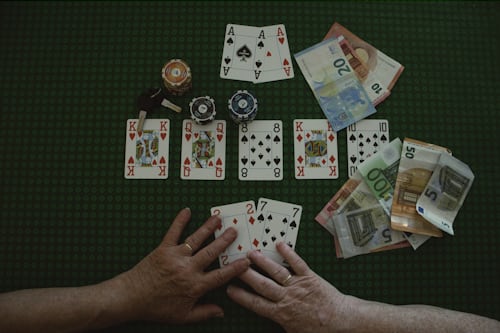
While skill can play a role in some games like poker or blackjack, where strategic decisions might sway outcomes, luck remains an undeniable presence. A highly skilled poker player with sound strategies can still fall victim to bad luck if the cards do not align favorably. Conversely, an inexperienced player might find themselves winning against a seasoned opponent simply because they received a series of fortunate card draws. This element of unpredictability is central to the allure of casinos, reinforcing that luck often dictates the flow of the game and the outcomes that players experience.
The randomness inherent in chance-based games creates a vibrant atmosphere that attracts a diverse demographic of players. This aspect of luck invites participation from individuals who may not possess extensive knowledge or skill, appealing to the notion that anyone could strike it rich with a little fortune on their side. In this environment, luck isn’t just a factor; it is a celebrated element of the gaming experience, overshadowing skill and highlighting the exhilarating unpredictability that defines gambling.
The Illusion of Skill
Many players enter casinos with the belief that their expertise or skills will provide them with a distinct advantage over others. This mindset fosters a deceptive illusion that strategic thinking and careful planning can ensure success. Yet, the reality is that even the most astute players cannot control the fickle nature of luck that permeates casino games. For example, a veteran blackjack player may know when to hit or stand, yet they remain at the mercy of the dealer’s cards, which can turn the tide at any moment, illustrating the limits of skill in the face of randomness.
The built-in house edge further emphasizes this reality, as it mathematically skews the odds against players over time. This principle reinforces the notion that luck, rather than skill, is often the primary determinant of success in most gambling scenarios. The exhilaration derived from the unpredictable nature of luck keeps players returning, as they chase the euphoric sensation of a winning streak that defies the odds. This dynamic serves to remind players that relying solely on skill can lead to disillusionment within a realm that thrives on uncertainty.
Interestingly, some players develop superstitions or rituals in an attempt to harness or enhance their luck. Whether it is wearing a “lucky” shirt or adopting a specific betting technique, these practices highlight a human desire to exert control over outcomes. However, such rituals often stem from psychological comfort rather than any genuine influence on the game. Ultimately, this illusion of skill and control can deepen players’ engagement, yet it is luck that will ultimately determine their fate at the tables.
The Role of Probability
In the world of gambling, comprehending probability is essential to understanding why luck often outweighs skill. Each casino game operates under specific odds that dictate the likelihood of various outcomes. For instance, slot machines rely on random number generators to ensure that results are unpredictable and unique for every spin. Players may feel they possess an understanding of the probabilities, but each spin is entirely independent of the previous one. Therefore, despite players’ beliefs, luck remains the decisive force in determining outcomes.
This concept is particularly evident in games featuring multiple betting options, such as baccarat or craps. While players may assess different odds attached to each betting choice, the ultimate outcome remains uncertain until the game concludes. Even the most experienced players cannot manipulate the results of each roll, flip, or spin, as chance governs these events. The fixed mathematical probabilities serve as a reminder that, regardless of experience, they cannot change the outcomes dictated by luck.
The understanding of probability highlights the inherent uncertainty of winning, making casinos both thrilling and daunting. Players who grasp the significance of probability can enjoy their gaming experience while acknowledging that luck ultimately holds the power. By recognizing this dynamic, players can manage their expectations and approach their time in casinos with a mindset that prioritizes enjoyment over the singular pursuit of skill or mastery.
The Emotional Aspect of Gambling
The emotional highs and lows associated with gambling further underscore the importance of luck. Winning can evoke feelings of euphoria and excitement, while losing may lead to disappointment and frustration. These emotional responses are largely dictated by chance, emphasizing the unpredictable nature of outcomes. Players who experience a series of wins often feel empowered by their perceived skill, believing they can replicate their success through strategy, when in reality, their fortune is primarily driven by luck.
Moreover, the emotional roller coaster experienced during gambling can lead to misplaced confidence in one’s luck. Players might convince themselves that their luck is bound to improve based on previous outcomes. This mindset can result in chasing losses, where individuals continue to gamble in hopes of recovering what they have lost—a behavior often fueled by luck rather than skill. The emotional investment in each game reinforces the pivotal role of luck in shaping the gambling experience, as players navigate the highs and lows dictated by chance.
Ultimately, the emotional aspect serves as a powerful reminder that luck is central to the casino experience. Whether players revel in the thrill of hitting a jackpot or confront the harsh realities of losses, these moments are shaped by the whims of chance. Understanding these emotional dynamics can enhance the overall gaming experience, encouraging players to embrace the unpredictability and excitement that accompanies each game of chance, rather than fixating solely on outcomes.
Embracing Luck in Casino Gaming
Recognizing the significance of luck in casinos can profoundly change the way players engage with gambling. Instead of attempting to control outcomes through skill, players can focus on embracing the excitement and enjoyment that comes with playing. This perspective allows individuals to appreciate the randomness inherent in casino gaming, transforming it into a form of entertainment rather than a high-stakes battle of skill. By acknowledging luck as a dominant force, players can approach their gambling endeavors with a healthier outlook, accepting that wins and losses are part of the experience.
Additionally, understanding luck’s role can help players set more realistic expectations. This awareness can reduce the frustration that often accompanies losses, leading to a more gratifying experience overall. Players can cultivate a balanced relationship with gambling, participating without becoming overly consumed by the pursuit of skill mastery. By reinterpreting success in terms of enjoyment rather than a sole focus on financial gain, players can foster a more positive and sustainable gambling experience.
Ultimately, embracing luck creates a sense of community among players. Everyone shares the uncertainty that permeates the casino, regardless of their level of skill or experience. This shared experience can lead to connections and friendships, enriching the social aspect of casino gaming. By recognizing that luck is a common thread that binds all players, individuals can engage more holistically with the casino environment, celebrating collective wins and acknowledging that, in the grand scheme, everyone is subject to the whims of luck.
